

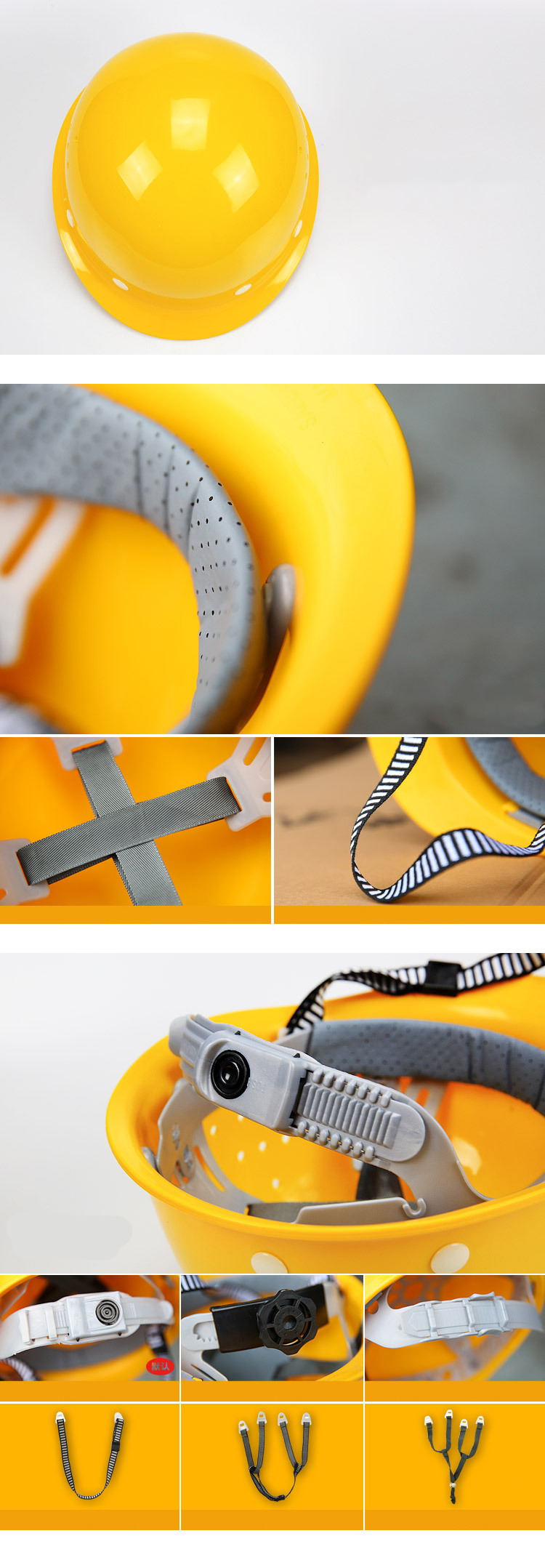
1. The design purpose of the gap between the cap shell and the cap liner
There is a gap between the shell and the lining of the helmet, which mainly serves the following purposes:
Buffering impact: The gap can effectively absorb and disperse the impact on the head, reducing the damage to the head caused by the impact. The cushioning effect of the cap liner is achieved through elastic deformation, and the gap between the cap shell and the cap liner can provide enough space for the cap liner to deform.
Ventilation and heat dissipation: the gap helps air flow, improves the ventilation effect, and makes workers feel more comfortable when wearing the helmet. This is especially important for workers who work in high temperature environments for a long time.
Isolation current: In special workplaces such as the power industry, safety helmets need to have the function of preventing electric shock. The gap between the cap shell and the cap liner can effectively isolate the current and reduce the risk of electric shock.
2.Hard hats must have a hard outer shell and a shock-absorbing lining that incorporates a headband and straps that suspend the shell from 1 to 11/4 inches (2.54 cm to 3.18 cm) away from the head.
3.here's the information about the safety helmet standards in the United States as of my last knowledge update in September 2021:
ANSI Z89.1-2014 Standard:
Classification: The standard categorizes safety helmets into two types: Type I (top impact protection) and Type II (top and lateral impact protection).
Shell Material: The standard outlines requirements for shell materials, including impact resistance, penetration resistance, and more.
Top Impact Protection: Safety helmets are required to withstand impacts from the top direction during testing.
Lateral Impact Protection: Type II helmets are required to resist impacts from the lateral direction during testing.
Additional Requirements: These include strap systems, brow pads, comfort considerations, and more.
ANSI Marking and Certification:
Safety helmets that meet the ANSI Z89.1 standard should bear appropriate markings on the shell, indicating they have passed testing and certification.
Manufacturers typically provide information on the product's compliance with specific standards and levels.
OSHA Requirements:
OSHA does not have a standalone safety helmet standard but requires employers to provide appropriate head protection equipment based on the nature of the workplace, as outlined in industry-specific safety regulations.
Employers must assess workplace risks and determine the need for employees to wear safety helmets, ensuring that helmets provided comply with ANSI Z89.1 standards to ensure employee safety.
4.Conclusion
The gap design between the cap shell and the cap liner is the key point of the helmet, and it plays a vital role in protecting our head. As a responsible supplier of safety protection products, Jiufu Security Xiaoqiang always pays attention to the quality and performance of products, and provides you with high-quality safety helmets that meet national standards.
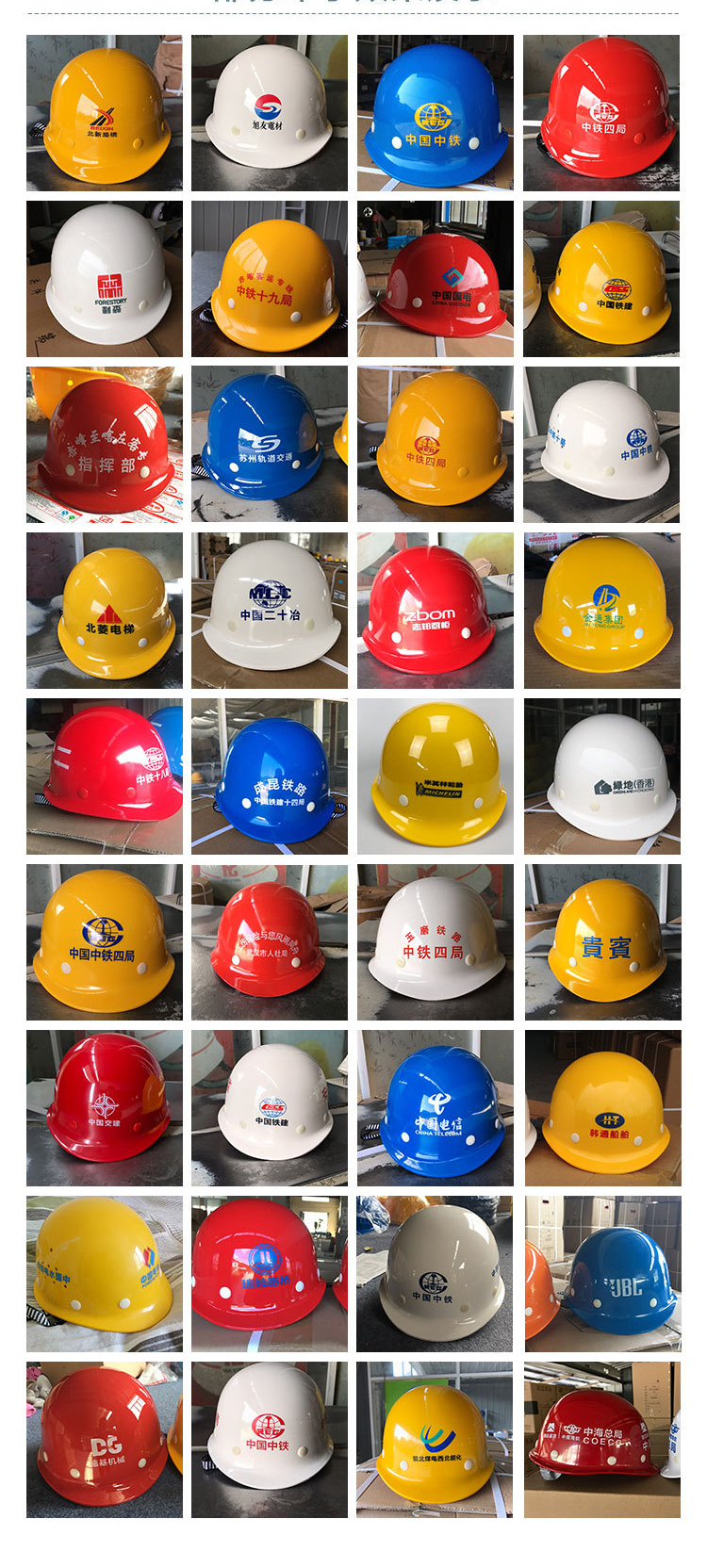
Ningbo Staneex Imp. & Exp. Co. Ltd is a professional company specializing in the design and manufacture of a wide range of hi vis clothing,safety protective garments, safety shoes, hard hat,safety gloves and accessories.
Our factory comprises four workshops, covering a floor space of 30,000 square meters, with approximately 200 workers and a daily output of 15,000 vests. We have a robust production capacity and have been in business for over ten years.
Our products meet the European market EN ISO20471, EN1150, ANSI/ISEA for the US market, and AS/NZS standards for the Australian market. We also export our products to Asia, the Middle East, Africa, and other countries.


